Infrastructure Automation
Autonomous Tethered Drones Provide Persistent Aerial Communications Relays for Disaster Response
Emergency management teams are utilizing tethered drone systems connected to ground power stations to establish continuous, multi-day wireless communication relays during natural disasters.
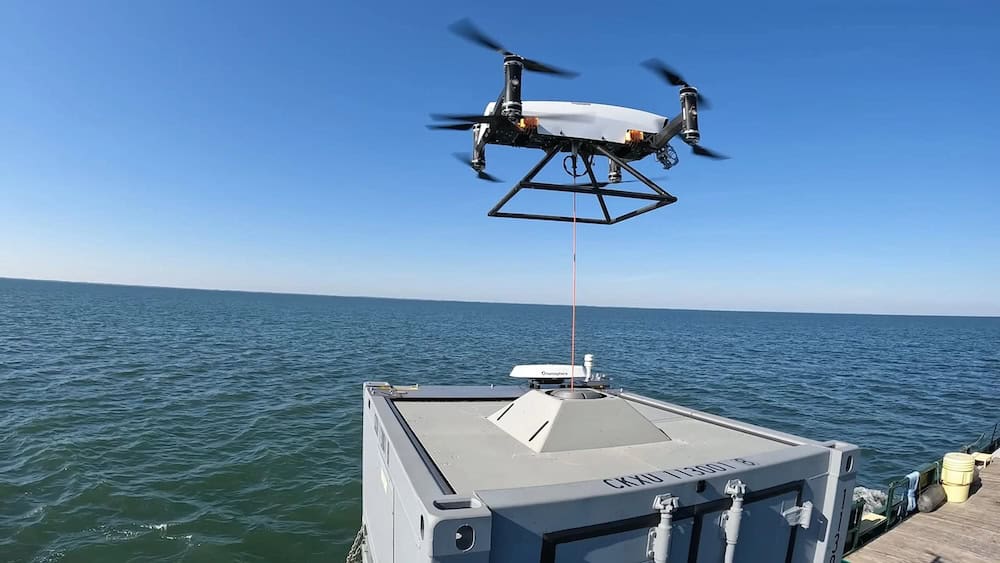
When catastrophic earthquakes, hurricanes, or wildfires destroy local cellular towers and terrestrial fiber-optic infrastructure, emergency responders and displaced populations are frequently left isolated without reliable communication links. Deploying traditional battery-powered drones provides only short-lived relief due to strict thirty-minute flight endurance limits. Solving this critical crisis response limitation, Titan Tethered Systems has deployed industrial tethered drone platforms capable of maintaining continuous airborne stability as high-altitude cellular and radio relay stations for days on end.
The operational architecture centers on a heavy-duty micro-filament tether cable that supplies continuous high-voltage electrical power from a ruggedized ground generator directly to the drone's power distribution board, completely bypassing internal battery constraints. Simultaneously, a high-speed fiber-optic core integrated within the center of the tether transmits gigabit-speed data between the airborne base station and ground command servers with zero wireless latency or vulnerability to electromagnetic jamming.
Stationed at an altitude of one hundred meters, the tethered aerial relay projects a private LTE and emergency radio coverage footprint across a ten-kilometer radius, allowing stranded survivors to transmit distress signals and emergency workers to coordinate rescue logistics seamlessly. An active tension-management winch system on the ground station automatically feeds or retracts the tether in response to gusty winds, maintaining stable aircraft positioning even during severe storm squalls.
Disaster relief agencies deploying the tethered relay systems praise their rapid setup times and infallible reliability in crisis zones. By establishing instant, uninterrupted communication infrastructure wherever disaster strikes, tethered UAV technology is saving lives and restoring order when conventional networks fail.
The broader implications for the infrastructure automation sector extend well beyond the immediate technical achievement. Industry analysts note that this deployment represents a convergence of several previously separate technological streams — advanced materials science, edge computing, and autonomous flight control — into a single integrated platform. The fact that these systems can now operate reliably in real-world conditions, rather than only in controlled test environments, signals a maturation of the unmanned aviation industry that has been anticipated for over a decade.
Safety certification and regulatory compliance remain among the most significant hurdles for widespread adoption. Aviation authorities worldwide have been working to establish clear operational frameworks that balance innovation with public safety. The platform described here has undergone extensive testing under various regulatory regimes, including controlled airspace trials, risk assessment evaluations, and operational safety case reviews. These regulatory milestones are as important as the technical specifications, because they determine whether a technology can transition from experimental novelty to routine commercial deployment.
The economic case for this technology becomes more compelling when examined over extended operational timelines. While initial acquisition costs may exceed those of traditional methods, the cumulative savings from reduced labor requirements, decreased downtime, and prevention of catastrophic failures create a compelling return on investment. Organizations that have integrated these systems into their standard operational workflows report that the total cost of ownership over a three-year period is significantly lower than maintaining equivalent conventional capabilities, particularly when factoring in the avoided costs of accidents, delays, and environmental damage.
Looking ahead, the development roadmap for this platform includes several enhancements that could further expand its operational utility. Engineers are exploring integration with complementary sensor technologies, improved machine learning models for real-time decision making, and enhanced communication protocols that would allow seamless coordination with other autonomous systems. The vision is not simply a better individual aircraft, but a connected ecosystem of unmanned platforms that can share data, coordinate missions, and collectively adapt to changing environmental conditions without human intervention.
Environmental considerations play an increasingly central role in the design and deployment of unmanned aerial systems. The shift away from fossil-fuel-dependent manned aircraft toward electric and hydrogen-powered drones represents a meaningful reduction in carbon emissions per mission. Additionally, the reduced acoustic footprint of these platforms minimizes disturbance to wildlife populations in sensitive ecological zones, an important factor for operations near protected habitats and marine reserves. The sustainability benefits extend to reduced ground vehicle deployments, as drone-based inspections eliminate the need for trucks and heavy equipment to access remote inspection sites.
Training and workforce development represent another critical dimension of this technological transition. Operating and maintaining these advanced systems requires specialized skills that differ significantly from traditional aviation maintenance. Organizations deploying these platforms have invested substantially in training programs, certification curricula, and simulation-based learning environments to ensure that their personnel can operate safely and effectively. The emergence of this new professional skill set reflects the broader transformation of the aviation workforce as unmanned systems become increasingly prevalent across commercial and industrial sectors.
Industry observers caution that while the technical progress is impressive, sustained success will depend on factors that extend beyond engineering excellence. Public trust, transparent safety reporting, and meaningful engagement with communities affected by drone operations are essential for long-term acceptance. The most successful programs are those that treat community concerns as legitimate design requirements rather than public relations obstacles. This includes thoughtful flight path planning to minimize overflight of residential areas, clear communication about mission purposes, and accessible channels for public feedback and incident reporting.
Related briefings
More from
Infrastructure Automation
Infrastructure Automation
Sub-Surface GPR Drones Detect Hidden Void Spaces and Sinkhole Risks Beneath Urban Roadways
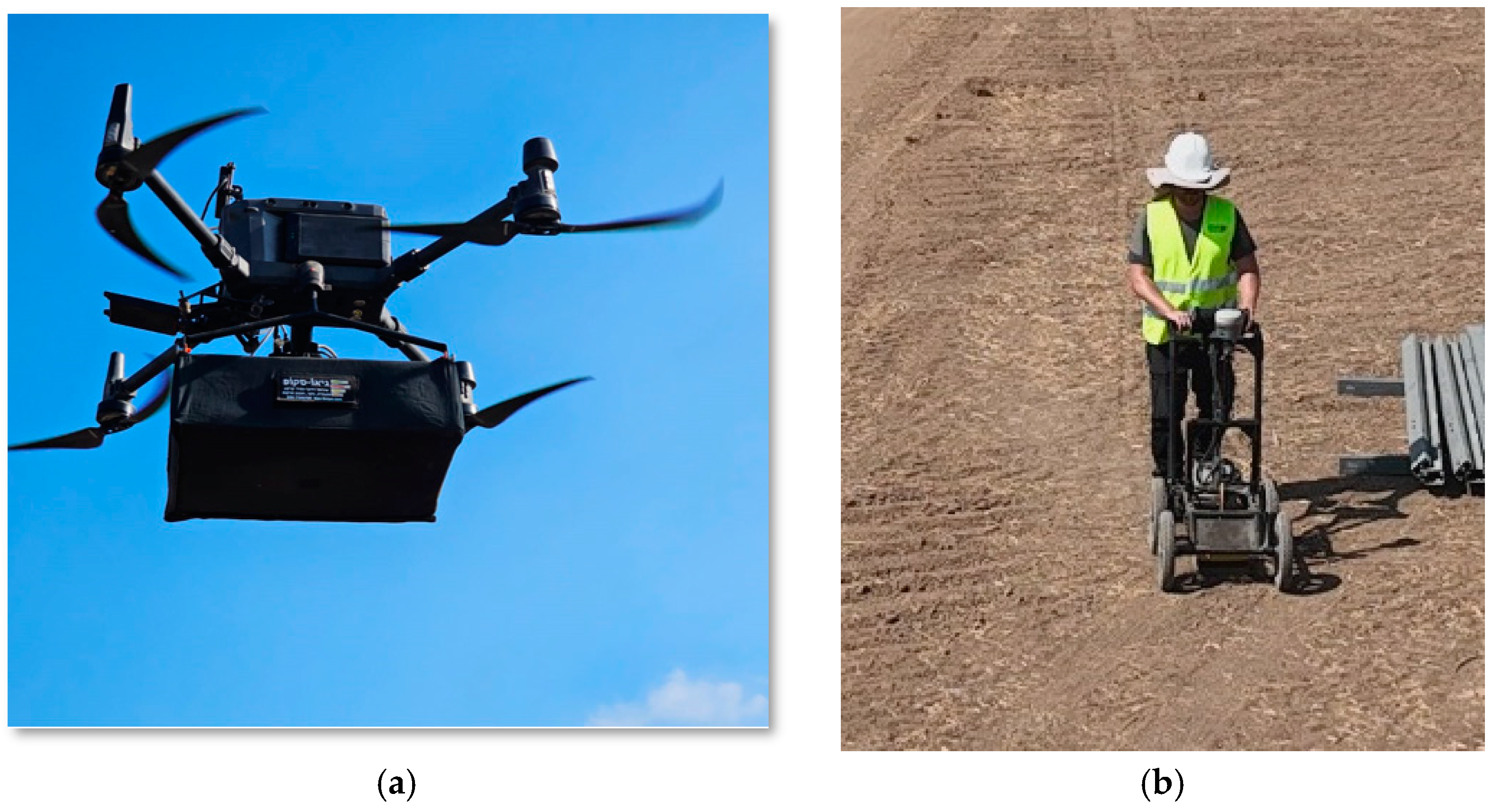
Municipal civil engineers are utilizing ground-penetrating radar drones to scan urban transportation corridors and identify subsurface sinkhole risks before road collapses occur.

Infrastructure Automation
Automated Drone Nesting and Solar-Powered Docking Stations Revolutionize Continuous Asset Monitoring
Autonomous weatherproof docking hubs equipped with contact-pad charging and robotic battery swapping are enabling completely unattended, round-the-clock remote facility inspections.