Sensor Technology
Quantum-Enhanced LiDAR Sensors Revolutionize Real-Time Obstacle Detection for Autonomous Aviation
Avionics engineers have integrated quantum-enhanced single-photon LiDAR payloads into industrial drones, enabling instantaneous detection of micro-obstacles and thin power lines in zero-visibility fog.
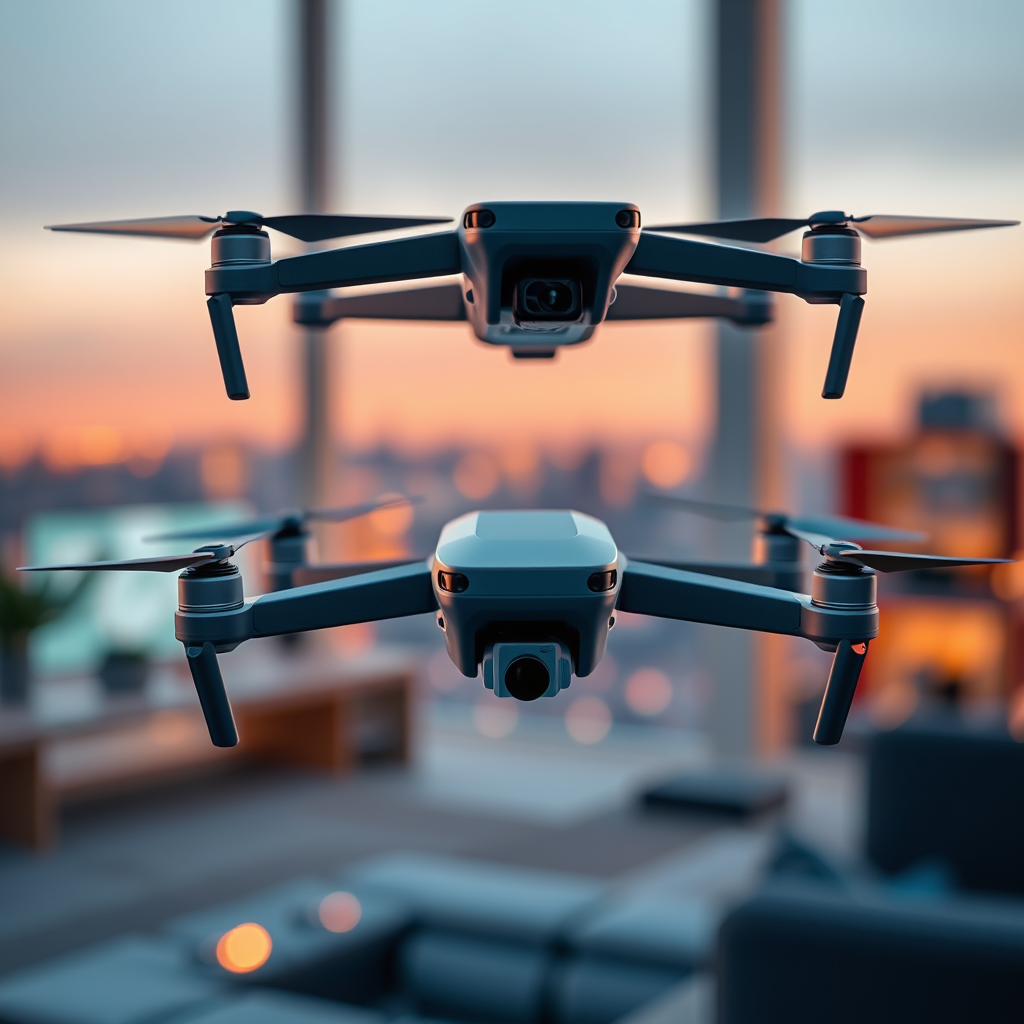
Detecting ultra-fine high-voltage power lines, suspended communication cables, and low-visibility atmospheric hazards remains one of the most persistent safety challenges for low-altitude industrial drones operating near critical infrastructure. Traditional solid-state LiDAR systems and optical cameras frequently struggle to resolve thin conductive wires against complex woodland or urban backgrounds, particularly when operating in dense morning fog, heavy rain, or blowing dust. Addressing this critical flight safety hurdle, QuantumAvionics has completed field validation of its newly commercialized single-photon quantum LiDAR payload, a breakthrough sensor architecture designed to detect sub-millimeter obstacles at extended standoff distances under adverse weather conditions.
The underlying operational principle of the quantum LiDAR system involves replacing traditional semiconductor photodetectors with highly sensitive superconducting nanowire single-photon detector arrays coupled to a pulsed picosecond laser transmitter. While conventional LiDAR units require hundreds of reflected photons to register a solid object, the quantum sensor can detect and time the return of a single individual photon reflected off a target surface. This extreme sensitivity allows the drone's onboard navigation computer to map low-reflectivity objects—such as dark composite power lines or wet tree branches—with pinpoint precision long before human operators or standard collision-avoidance algorithms would register the hazard.
Integrating cryogenic single-photon sensors onto a weight-constrained airborne drone platform required innovative thermal and mechanical engineering. QuantumAvionics developed a compact, closed-loop Stirling cryocooler that maintains the superconducting detector array at near-absolute-zero temperatures without consuming excessive electrical power from the flight battery. The entire payload module weighs less than eight hundred grams, ensuring that flight endurance and agility remain uncompromised across standard quadcopter and hexacopter airframes.
Data throughput generated by single-photon avalanche arrays is immense, requiring dedicated on-chip neural processing hardware to filter out ambient solar background noise and atmospheric backscatter in real time. As the drone cruises along power transmission corridors, the onboard edge processor synthesizes the photon return data into a dense 3D point cloud at a refresh rate of one hundred hertz, instantly calculating evasive trajectory adjustments if an unexpected obstruction enters the flight path.
Grid inspection utilities testing the quantum sensor platform report a dramatic reduction in near-miss incidents and collision risks during complex linear asset surveys. By providing reliable obstacle detection in previously impassable weather conditions, quantum-enhanced sensor technology is establishing a new standard for absolute flight safety in commercial aviation.
The broader implications for the sensor technology sector extend well beyond the immediate technical achievement. Industry analysts note that this deployment represents a convergence of several previously separate technological streams — advanced materials science, edge computing, and autonomous flight control — into a single integrated platform. The fact that these systems can now operate reliably in real-world conditions, rather than only in controlled test environments, signals a maturation of the unmanned aviation industry that has been anticipated for over a decade.
Safety certification and regulatory compliance remain among the most significant hurdles for widespread adoption. Aviation authorities worldwide have been working to establish clear operational frameworks that balance innovation with public safety. The platform described here has undergone extensive testing under various regulatory regimes, including controlled airspace trials, risk assessment evaluations, and operational safety case reviews. These regulatory milestones are as important as the technical specifications, because they determine whether a technology can transition from experimental novelty to routine commercial deployment.
The economic case for this technology becomes more compelling when examined over extended operational timelines. While initial acquisition costs may exceed those of traditional methods, the cumulative savings from reduced labor requirements, decreased downtime, and prevention of catastrophic failures create a compelling return on investment. Organizations that have integrated these systems into their standard operational workflows report that the total cost of ownership over a three-year period is significantly lower than maintaining equivalent conventional capabilities, particularly when factoring in the avoided costs of accidents, delays, and environmental damage.
Looking ahead, the development roadmap for this platform includes several enhancements that could further expand its operational utility. Engineers are exploring integration with complementary sensor technologies, improved machine learning models for real-time decision making, and enhanced communication protocols that would allow seamless coordination with other autonomous systems. The vision is not simply a better individual aircraft, but a connected ecosystem of unmanned platforms that can share data, coordinate missions, and collectively adapt to changing environmental conditions without human intervention.
Environmental considerations play an increasingly central role in the design and deployment of unmanned aerial systems. The shift away from fossil-fuel-dependent manned aircraft toward electric and hydrogen-powered drones represents a meaningful reduction in carbon emissions per mission. Additionally, the reduced acoustic footprint of these platforms minimizes disturbance to wildlife populations in sensitive ecological zones, an important factor for operations near protected habitats and marine reserves. The sustainability benefits extend to reduced ground vehicle deployments, as drone-based inspections eliminate the need for trucks and heavy equipment to access remote inspection sites.
Training and workforce development represent another critical dimension of this technological transition. Operating and maintaining these advanced systems requires specialized skills that differ significantly from traditional aviation maintenance. Organizations deploying these platforms have invested substantially in training programs, certification curricula, and simulation-based learning environments to ensure that their personnel can operate safely and effectively. The emergence of this new professional skill set reflects the broader transformation of the aviation workforce as unmanned systems become increasingly prevalent across commercial and industrial sectors.
Related briefings