Energy Systems
Solid-State Battery Integration Extends Autonomous Flight Endurance in Commercial Inspection Drones
Battery manufacturers have successfully integrated high-density solid-state cells into industrial UAV platforms, boosting continuous operational flight times past the three-hour threshold.
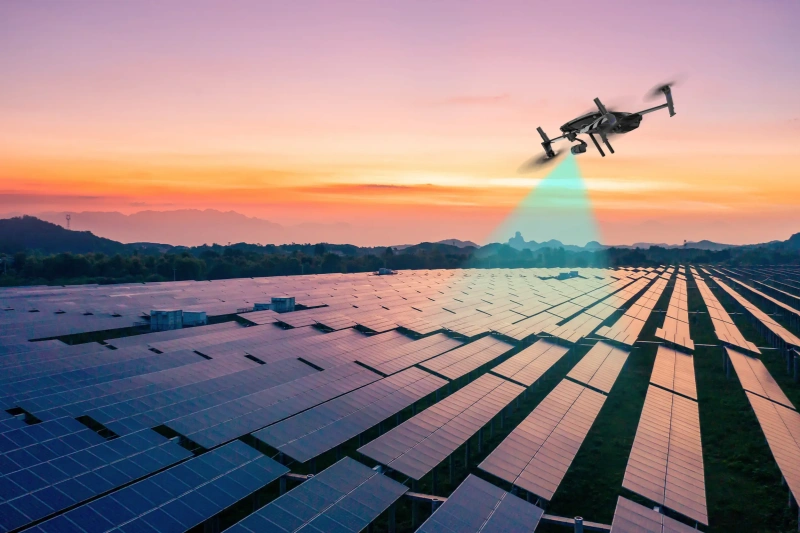
Operating commercial inspection drones across expansive infrastructure networks—such as thousands of kilometers of high-voltage transmission lines or sprawling petrochemical facilities—has perpetually been constrained by the energy density limits of conventional lithium-polymer chemistry. Frequent battery swaps and short flight legs introduce significant labor overhead and operational delays. Solving this pervasive bottleneck, Voltaic Energy Systems has completed industrial field trials of its newly commercialized silicon-anode solid-state battery packs, successfully integrated into heavy-duty commercial hexacopters to achieve continuous autonomous flight times exceeding three hours on a single charge.
The transformative breakthrough behind the solid-state architecture lies in replacing volatile liquid organic electrolytes with a stable ceramic-polymer composite membrane. This structural evolution eliminates the internal dendrite short-circuit risks that plague traditional lithium-ion cells while enabling a volumetric energy density increase of nearly sixty percent. Consequently, the new battery packs store significantly more electrical charge within the same physical weight footprint, allowing the drone to carry heavier dual-sensor payloads without sacrificing endurance or aerodynamic agility.
Thermal management during high-drain vertical ascents and aggressive maneuvering required advanced engineering. Voltaic developed a conformal micro-channel thermal regulation layer embedded directly within the solid-state cell matrix, ensuring that internal core temperatures remain uniform even when the aircraft draws peak current during gusty wind compensation. Furthermore, the solid-state cells demonstrate remarkable resilience in sub-zero winter environments, retaining over ninety percent of their nominal capacity at temperatures where conventional lithium-polymer packs suffer catastrophic voltage sag.
Fleet operators testing the solid-state power systems report a dramatic transformation in daily operational efficiency. Infrastructure inspection sorties that previously required four separate battery rotations can now be executed in a single uninterrupted flight mission, slashing downtime and reducing wear on mechanical landing gear and quick-swap locking mechanisms.
As industrial drone applications demand ever-greater operational range and reliability, solid-state battery technology is establishing a new benchmark for airborne energy storage, clearing the path for truly extended autonomous utility operations.
The broader implications for the energy systems sector extend well beyond the immediate technical achievement. Industry analysts note that this deployment represents a convergence of several previously separate technological streams — advanced materials science, edge computing, and autonomous flight control — into a single integrated platform. The fact that these systems can now operate reliably in real-world conditions, rather than only in controlled test environments, signals a maturation of the unmanned aviation industry that has been anticipated for over a decade.
Safety certification and regulatory compliance remain among the most significant hurdles for widespread adoption. Aviation authorities worldwide have been working to establish clear operational frameworks that balance innovation with public safety. The platform described here has undergone extensive testing under various regulatory regimes, including controlled airspace trials, risk assessment evaluations, and operational safety case reviews. These regulatory milestones are as important as the technical specifications, because they determine whether a technology can transition from experimental novelty to routine commercial deployment.
The economic case for this technology becomes more compelling when examined over extended operational timelines. While initial acquisition costs may exceed those of traditional methods, the cumulative savings from reduced labor requirements, decreased downtime, and prevention of catastrophic failures create a compelling return on investment. Organizations that have integrated these systems into their standard operational workflows report that the total cost of ownership over a three-year period is significantly lower than maintaining equivalent conventional capabilities, particularly when factoring in the avoided costs of accidents, delays, and environmental damage.
Looking ahead, the development roadmap for this platform includes several enhancements that could further expand its operational utility. Engineers are exploring integration with complementary sensor technologies, improved machine learning models for real-time decision making, and enhanced communication protocols that would allow seamless coordination with other autonomous systems. The vision is not simply a better individual aircraft, but a connected ecosystem of unmanned platforms that can share data, coordinate missions, and collectively adapt to changing environmental conditions without human intervention.
Environmental considerations play an increasingly central role in the design and deployment of unmanned aerial systems. The shift away from fossil-fuel-dependent manned aircraft toward electric and hydrogen-powered drones represents a meaningful reduction in carbon emissions per mission. Additionally, the reduced acoustic footprint of these platforms minimizes disturbance to wildlife populations in sensitive ecological zones, an important factor for operations near protected habitats and marine reserves. The sustainability benefits extend to reduced ground vehicle deployments, as drone-based inspections eliminate the need for trucks and heavy equipment to access remote inspection sites.
Training and workforce development represent another critical dimension of this technological transition. Operating and maintaining these advanced systems requires specialized skills that differ significantly from traditional aviation maintenance. Organizations deploying these platforms have invested substantially in training programs, certification curricula, and simulation-based learning environments to ensure that their personnel can operate safely and effectively. The emergence of this new professional skill set reflects the broader transformation of the aviation workforce as unmanned systems become increasingly prevalent across commercial and industrial sectors.
Industry observers caution that while the technical progress is impressive, sustained success will depend on factors that extend beyond engineering excellence. Public trust, transparent safety reporting, and meaningful engagement with communities affected by drone operations are essential for long-term acceptance. The most successful programs are those that treat community concerns as legitimate design requirements rather than public relations obstacles. This includes thoughtful flight path planning to minimize overflight of residential areas, clear communication about mission purposes, and accessible channels for public feedback and incident reporting.
Related briefings
More from
Energy Systems

Industrial Logistics
AeroHytech Deploys Hydrogen-Powered Heavy-Lift Cargo UAVs for Remote Alpine Infrastructure Supply
Breaking endurance barriers in extreme environments, AeroHytech has officially commercialized a hydrogen-fuel-cell heavy-lift drone capable of sustained multi-hour freight missions across high-altitude terrain.
Renewable Energy Inspection
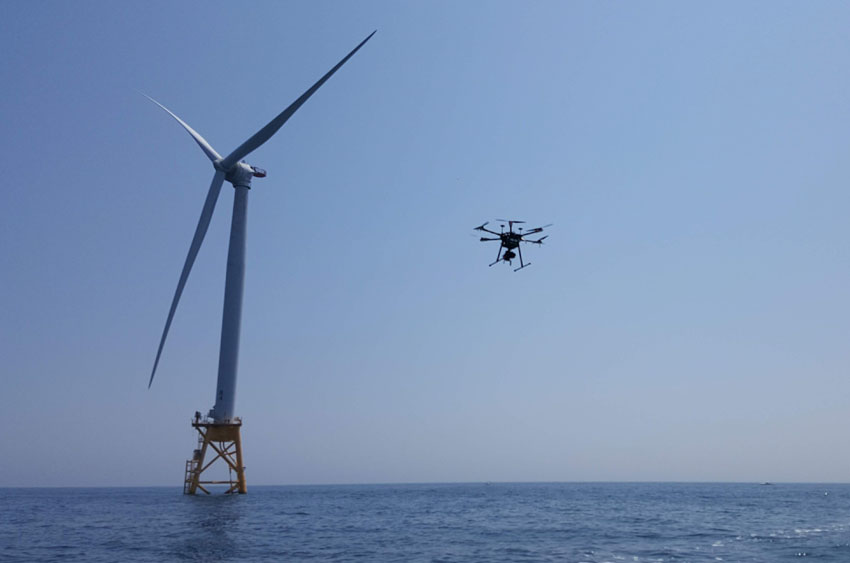
Autonomous Offshore Wind Turbine Inspection Fleets Operationalize Edge AI and LiDAR Navigation
Maritime energy operators are now deploying fully autonomous drone fleets equipped with solid-state LiDAR and onboard neural processors to inspect offshore wind turbine blades without human pilot oversight.
Precision Agriculture
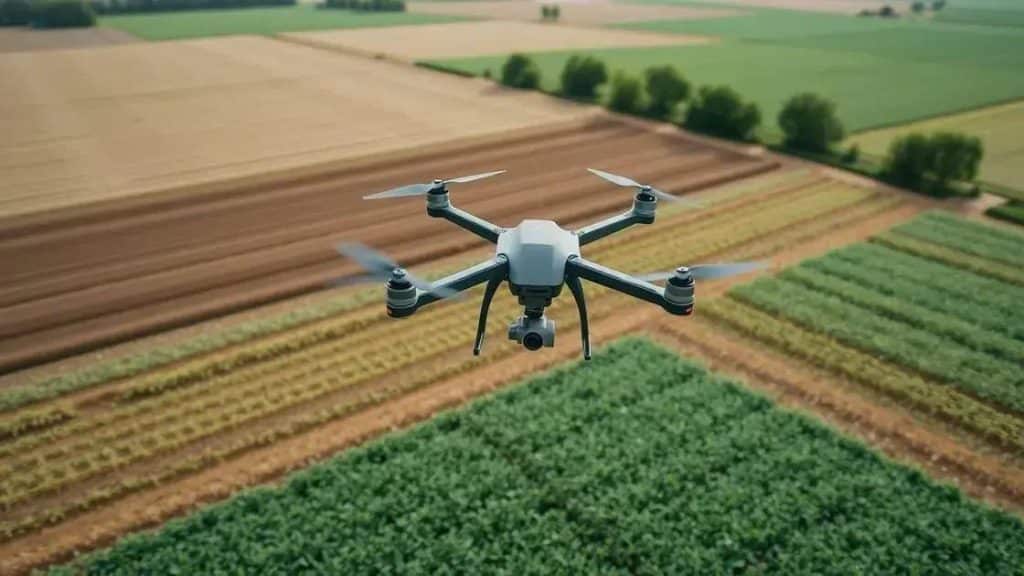
Precision Agritech Breakthrough: Hyperspectral Drone Swarms Enable Real-Time Crop Disease Mapping
Agricultural researchers have successfully deployed synchronized drone swarms utilizing hyperspectral imaging and machine learning to detect crop pathogens days before visible symptoms emerge in the field.