Medical Logistics
Blood, Biologics and Biopsies: Medical Drone Networks Reach Routine Scale
Hospital-to-hospital drone corridors are moving blood products and pathology samples on scheduled flights, with temperature-controlled payloads and a validated chain of custody.

A unit of red blood cells that takes forty-five minutes to move by road between two hospitals in the same city is, in clinical terms, not available. Trauma teams compensate by holding inventory they may never use, which is expensive for the hospital and wasteful for a blood service that manages scarcity every day. A drone that makes the same trip in twelve minutes does not merely save time; it changes what inventory the system needs to hold.
The evidence that this works is no longer anecdotal. Zipline began delivering blood in Rwanda in 2016 and expanded to Ghana in 2019, building a model in which hospitals request units by text message and receive them by parachute drop within minutes. The company later reported surpassing one million autonomous commercial deliveries, and its operations have been studied by public health researchers as a supply-chain intervention rather than a technology demonstration. Wing, Matternet and a growing field of European operators have built comparable programs around pharmacies, laboratories and hospital campuses.
The clinical payloads are modest in weight and demanding in handling. A delivery typically carries two to six kilograms: units of blood, plasma, platelets, pathology specimens, vaccines, chemotherapy preparations or small medical devices. Blood products require controlled temperature, generally two to eight degrees Celsius for red cells and colder for frozen plasma, and the payload box must hold that range through taxi, flight and handover. Active cooling with phase-change materials and an independent data logger is now standard, and the logger record becomes part of the chain-of-custody documentation that regulators and transfusion services require.
Has the flight itself been validated for the product? This is the question that separates a pilot from a service. Vibration, acceleration and temperature excursion during flight can affect cells and labile analytes, so operators and their clinical partners run stability studies that compare flown samples against ground-transported controls. Published work on drone-transported blood has generally found no clinically meaningful hemolysis increase for short flights, but the studies are specific to aircraft, duration and packaging, and regulators expect each program to generate its own evidence.
Regulatory pathways differ by country and by mission. In the United States, drone delivery operations have generally proceeded under Part 135 air carrier certification or under Part 107 with waivers, depending on the payload and route. Beyond-visual-range corridors require either waivers or, increasingly, the performance-based approvals contemplated by Part 108. In Europe, operations fit within the specific category and the U-space framework, with the operator holding an operational authorization for each route. The common denominator is that the aviation approval is only half the work; the clinical governance, the cold chain and the handling procedures must satisfy health regulators who have never thought about airworthiness.
Corridor design is infrastructure work disguised as aviation. A hospital-to-hospital route needs a launch and landing site at each end, usually a rooftop or a dedicated ground pad with safe approach paths, and it needs coordination with local air traffic, emergency services and any nearby airport. Fixed routes with predictable altitudes are easier to approve and safer to operate than ad hoc flights, which is why the successful programs look less like taxis and more like a metro line with a timetable.
Cost is converging on viability. A drone flight between two urban hospitals typically costs somewhere between fifteen and forty dollars in operating expense, against sixty to a hundred and fifty dollars for a dedicated courier run, and the drone is not stuck in traffic or waiting at a loading dock. The larger saving is often in labor: a hospital that no longer sends a staff member to escort a sample box across the city recovers clinical hours that are far more valuable than the delivery cost.
Barriers remain, and they are mostly organizational. Weather limits operations more than advocates like to admit; high winds, icing and heavy rain ground small aircraft, and a clinical service cannot depend on a transport mode that fails precisely when roads are congested and weather is bad. Vertiport space is scarce in dense cities, rooftop access is contested with mechanical equipment, and liability questions around a mishandled specimen are still being worked out between operators, hospitals and insurers. Labor agreements and pharmacy regulations can also constrain who may hand a controlled product to an aircraft.
The next expansion is into time-critical and temperature-critical payloads that roads serve badly: organs for transplant, where every hour of cold ischemia matters; oncology compounding, where a dose prepared at a central pharmacy must reach a satellite clinic within its stability window; and rural clinics, where a drone can connect a small site to a reference laboratory that is an hour away by car. Each of these requires a different risk case, but they share the same infrastructure.
The industry's own framing has shifted from disruption to integration. The operators that are growing are those that plug into hospital logistics systems, provide auditable data and accept clinical governance rather than treating healthcare as a delivery market with unusual cargo. When a blood bank can see a drone flight on the same dashboard as a courier run, the technology has stopped being a demonstration and become a mode of transport.
Related briefings
More from
Medical Logistics
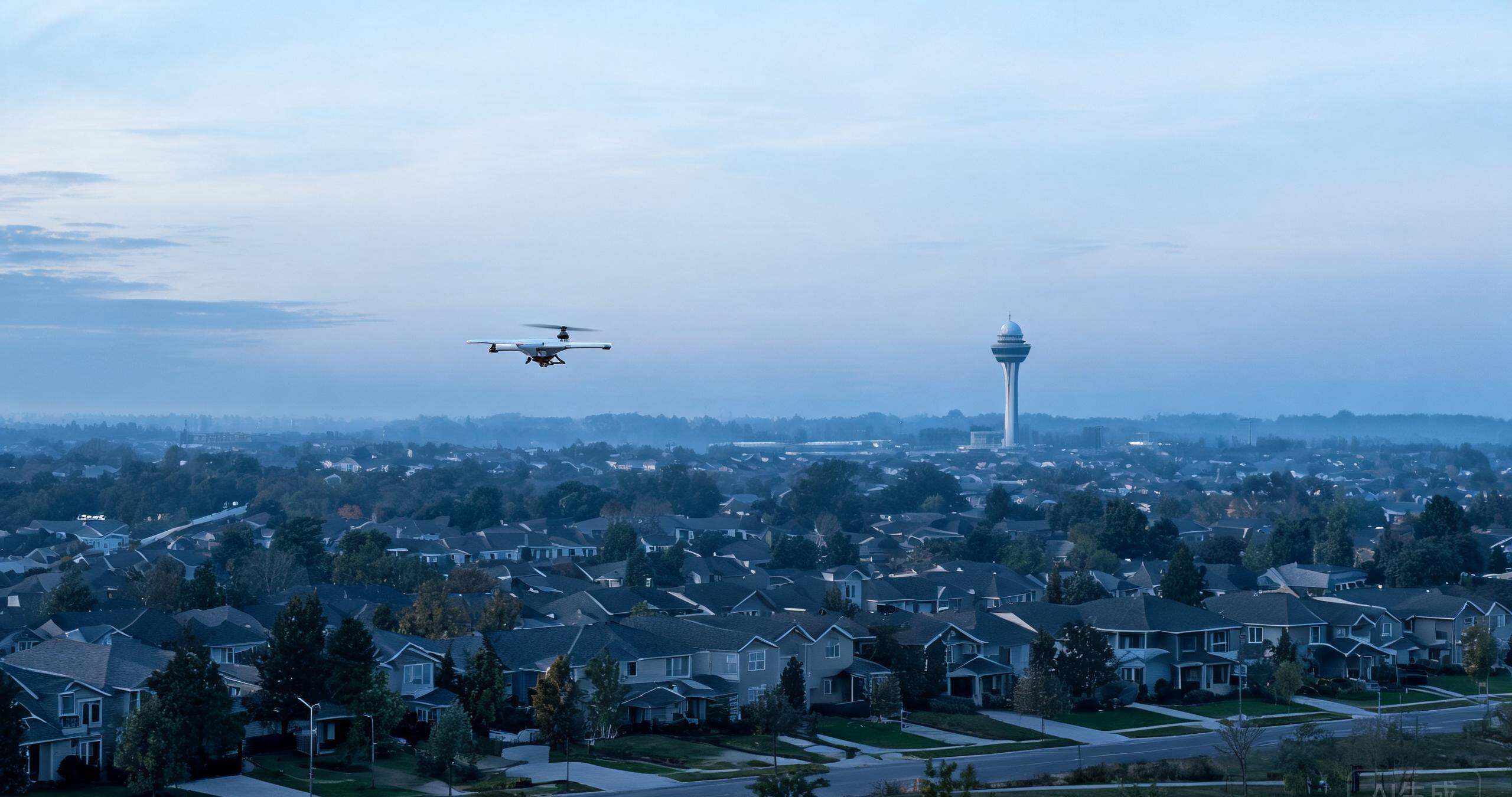
Regulatory & Policy
Part 108 Rewrites the Economics of Flying Beyond Visual Line of Sight
The FAA's performance-based BVLOS framework is moving approvals away from one-off waivers and toward aircraft-level standards, changing what delivery, inspection and emergency operators can plan for.

Wildfire Response
Satellites, Camera Networks and Long-Endurance Drones Compress Wildfire Detection to Minutes
A layered detection stack of hilltop cameras, thermal satellites and fixed-wing drones is shrinking the gap between ignition and dispatch, while airspace coordination and false-alarm filtering remain the hard problems.
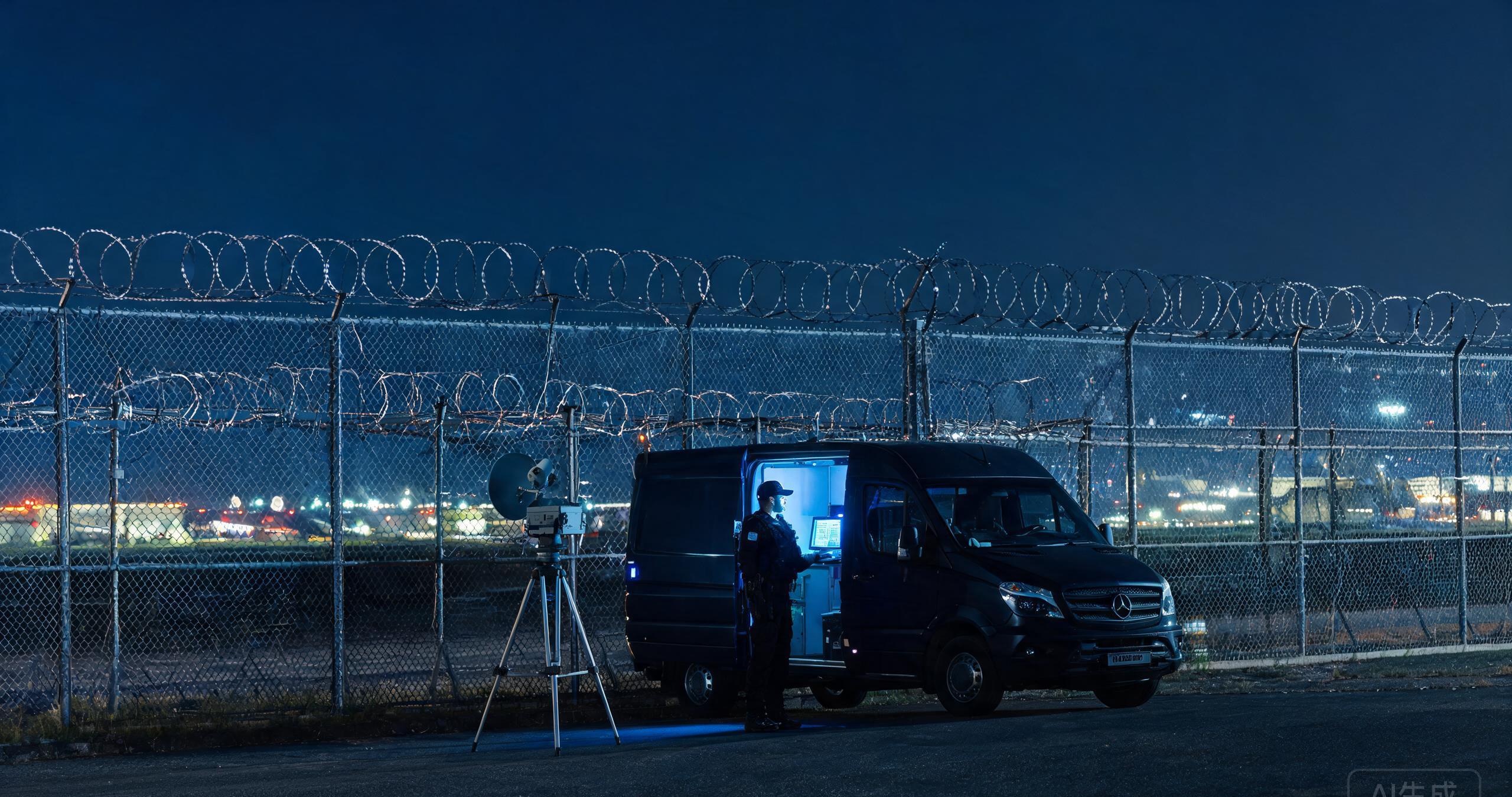
Counter-UAS
Airport Counter-Drone Programs Move From Jamming to Layered, Evidence-Graded Detection
After years of ad-hoc trials, airports are building permanent detection architectures that fuse radio frequency, radar, acoustic and optical data, while regulators slowly define who may actually take a drone down.